Agriculture
Agriculture
  • HOME
  • ABOUT US
  • DEPARTMENTS/UNITS
    • Agriculture
    • Cooperatives
  • CRESAP
  • PARTNERS IN DEVELOPMENT
    • Statutory Bodies
    • International Partners
  • CDF PROJECTS
    • Belize Covered Structure and Capacity Enhancement Project
    • Belize Honey Production Re- Development Support Project
  • DOCUMENT CENTER
  • HOME
  • ABOUT US
  • DEPARTMENTS/UNITS
    • Agriculture
    • Cooperatives
  • CRESAP
  • PARTNERS IN DEVELOPMENT
    • Statutory Bodies
    • International Partners
  • CDF PROJECTS
    • Belize Covered Structure and Capacity Enhancement Project
    • Belize Honey Production Re- Development Support Project
  • DOCUMENT CENTER

Handover of Agriculture supplies to farmers from the Orange Walk District

February 6, 2025

This morning, a brief ceremony was held at the Yo Creek Agriculture Station to officially hand over seeds, fertilizers, and livestock feed to 25 farmers from the Orange Walk District.

The agricultural inputs, valued at $60,000 Belize dollars, were provided by the Inter-American Institute for Cooperation on Agriculture (IICA) as part of ongoing efforts to support farmers affected by the recent heavy rains and flooding caused by Tropical Storm Sarah. These farmers, who were in active production at the time of the storm, experienced significant disruptions to their crop cultivation.

Present at the handing-over ceremony were Minister of Agriculture, Food Security, and Enterprise, Hon. Jose Abelardo Mai, and IICA Country Representative, Mr. Mauricio Guevara. Both officials addressed the farmers, highlighting the increasing impact of climate change on agriculture and the urgent need for resilience-building efforts within the sector.

This initiative underscores the commitment of the Ministry of Agriculture and IICA to supporting farmers in their recovery and strengthening the country’s agricultural resilience against extreme weather events.

Belize Launches BACSuF Project to Strengthen Climate Resilience in Sugarcane Farming

The Government of Belize, in partnership with key stakeholders, officially launched Building the Adaptive Capacity of Sugarcane Farmers in Northern Belize (BACSuF) project today. This transformative initiative reaffirms the government’s commitment to increasing the economic viability of the sugar industry through strategic investments in climate resilience.
The BACSuF project is the result of six years of collaboration among the Government of Belize, the Sugar Industry Research and Development Institute (SIRDI), Belize Sugar Industries Ltd. (BSI)/American Sugar Refinery (ASR), the Belize Sugar Cane Farmers Association (BSCFA), the Northern Sugar Cane Growers Association (NSCGA), the Progressive Sugar Cane Producers Association (PSCPA), the Corozal Sugar Cane Producers Association (CSCPA), and the Caribbean Community Climate Change Centre (CCCCC).
In March 2024, the BACSuF project made history as the first sugarcane-specific agricultural initiative to be approved by the Green Climate Fund (GCF). The project, tabled at the GCF Board meeting in Kigali, Rwanda, secured an investment of US $38.84 million, including a US $25 million grant from the GCF.
This funding will bridge the financing gap for farmers, as the initial cost of implementing climate-resilient practices is often higher than traditional methods. The project is expected to directly benefit more than 5,000 farmers and impact an estimated 87,000 Belizeans.
Key Project Components
The BACSuF project aims to remove agronomic, technological, economic, and institutional barriers to climate resilience by focusing on three core areas:
1. Increasing Climate Risk Reduction and Adaptive Capacity
Introducing climate-resilient sugarcane varieties
Establishing nurseries and replanting 10,000 acres
Promoting sustainable soil health and ratoon management techniques
2. Promoting Sustainable Water and Land Management
Investing in drainage, irrigation, and pest management
Aligning practices with Climate Smart Agriculture and Integrated Pest Management standards
3. Developing a Center for Teaching and Learning
Enhancing resilience through training, capacity building, and technology integration
A Transformational Step for Belize’s Agriculture
This initiative represents more than adaptation it is a transformational step for Belize’s agricultural sector. It strengthens farming communities, secures long-term industry viability, and ensures that future generations inherit a strong, resilient, and competitive sugar industry.
During the launch, Hon. Jose Abelardo Mai, Minister of Agriculture, Food Security & Enterprise, reaffirmed the government’s commitment to supporting farmers and ensuring Belize maximizes climate financing opportunities. He also urged ASR-BSI to explore milling expansion options to increase processing capacity and mitigate risks posed by climate change.
Belize extends its gratitude to the Green Climate Fund, the Caribbean Community Climate Change Centre (CCCCC), and all technical partners whose expertise and dedication have made this project a reality.
As Belize moves forward, the Ministry of Agriculture stands ready to provide technical expertise, policy support, and stakeholder collaboration to ensure the project’s success and the continued prosperity of the sugar industry.
Link Enlarge

The National Food and Nutrition Security Commission

The National Food and Nutrition Security Commission

Goal

To Coordinate and Advocate with all Sectors of the economy and other stakeholders on National Food and Nutrition Security matters, in order to improve the well-being and quality of life for all Belizeans.

Background:

The N.F.N.S.C. was established in 2001 with the primary goal of achieving national food and nutrition security objectives. This collaborative group consists of professionals from both government and non-governmental organizations, working collectively to address critical issues related to food security.

Advisory Role to Cabinet:

The Commission serves as an advisory body to the Cabinet, offering insights and recommendations on matters pertinent to Food and Nutrition Security in Belize.

Ministry of Agriculture Oversight:

Chaired by the Ministry of Agriculture, the N.F.N.S.C. benefits from oversight powers that guide policy formulation and program implementation.


Annual World Food Day Celebrations:

The N.F.N.S.C., in collaboration with the Ministry of Agriculture and the Food and Agriculture Organization, actively participates in the annual World Food Day celebrations. World Food Day serves as a platform to promote global awareness and stimulate action to alleviate hunger. The event underscores the imperative to ensure food security and promote a nutritious diet worldwide. The collaborative efforts have not only enhanced the visibility of food security challenges but have also resulted in tangible actions to combat hunger globally.

Achievements and Contributions:

Policy Formulation:

The N.F.N.S.C. actively contributes to the formulation of policies aimed at addressing food and nutrition security issues.

Program Implementation:

Collaborative programs and initiatives have been successfully implemented, leading to positive outcomes in local and global contexts.

Challenges and Future Outlook:

Ongoing Challenges:

While progress has been made, challenges in achieving comprehensive food security persist, particularly in reaching vulnerable populations.

Future Initiatives:

The N.F.N.S.C. remains committed to exploring innovative strategies and partnerships to overcome challenges and further advance food and nutrition security objectives.

The collaborative efforts of the N.F.N.S.C., under the leadership of the Ministry of Agriculture, exemplify a dedicated commitment to addressing food and nutrition security challenges. The annual World Food Day celebrations stand as a testament to the collective determination to eliminate hunger and ensure a nutritious diet for all.

Activities

Some of the activities performed are:

  1. Build capacity in the Commission to assist in the implementation of the Food and Nutrition Security Policy.
  2. Enhance the knowledge, skills and entrepreneurship of all stakeholders involved in food and nutrition security.
  3. Raise awareness to the public by disseminating information to the public with respect to food and nutrition.
  4. Monitor and evaluate achievable plans recommended by all stakeholder to Cabinet Members in regards to food and nutrition situation of the country
  5. Establish functional linkages with other regional and international bodies involved with food and nutrition security.
  6. Promote adequate intake of micro and macro nutrients especially among women, children, the elderly and the most vulnerable.
  7. Ensure the development of sustainable, environmentally sound policies, plans and program for food and nutrition security.

Future Activities

  1. Expansion of Sustainable School Feeding Programs to the rest of the country.
  2. School Garden Trainings (MoE/MoA)
  3. Nutrition Education (MoE & MoH)
  4. Capacity building for Family Farming
  5. Governance workshop for MoA staff

Contact Information

Mr. Emilio Montero- Coordinator of N.F.N.S.C
Email:
emilio.montero@agriculture.gov.bz
Phone #: 828-4804
National Agriculture and Trade Show Grounds, Belmopan, Belize, C.A.

Collaborators

  • Ministry of Education
  • Ministry of Health
  • Ministry of Human Development
  • Ministry of Local Government/Rural Development
  • Ministry of Trade
  • PAHO/WHO/INCAP
  • IICA
  • BAHA
  • FAO
  • Facebook
  • WhatsApp
Link Enlarge

Departments of Agriculture

District Offices

In order to facilitate and provide better assistance to farmers, the Ministry of Agriculture, Food Security, and Enterprise has a department of agriculture situated in each district. These departments are being headed by the Chief Agricultural Officer. In each department, there are five programs lead by a coordinator at the national level. The coordinator’s duties are to manage and ensure all activities are being implemented through its field officers.

Goal

To continue to provide relevant technical assistance to farmers in the Districts.

Mission

The mission is to facilitate the development of knowledge and understanding generated not only through traditional research, but also knowledge and technical know-how developed through experiences that will enhance agriculture and the quality of life of rural communities

Background

The Agricultural Department is considered the primary provider of the extension agricultural extension service which was introduced in Belize in the 1920s. The main goal of the department is to train and build capacity among agricultural producers, women, and youth of the rural areas of Belize. The focus is to enable producers to organize themselves, form exchange groups, consolidate agro-commercial businesses, and develop strategic alliances with other social groups to meet the challenges of market competition and scarce natural resources.

Objectives are:

  • Strengthening the agricultural initiatives through community organization and increase the efficiency of agriculture production so that the farmers can have better returns.
  • Facilitate the development of proposals, strategic alliances, and new organizations. At the same time, facilitate the interchange of experiences, knowledge, and information that will strengthen the capacity of rural stakeholders to develop new proposals and organization.
  • Increase the efficiency of agricultural production so that the farmers can reap the highest returns from efforts.
  • Promote individual and group skills to decide over non-renewable resource issues.
  • Implement programs that improve the efficiency of marketing and the use of farm produce.
  • Promote the best use and conservation of natural, human, social, and economic resources of Belize.
  • Train and build capacity among rural families to effect adequate adjustments to address the needs of their socio-economic conditions.
  • Facilitate the development of information systems and capacity building that will enable producers to stay informed with technical information about markets and agricultural policies that can affect them.
  • Establish a long-term educational process in consultation with community leaders and stakeholders to address problems, needs and seek solutions through activities that promote the best use and conservation of natural, human, social, and economic resources that will lead to a better quality of life.

DUTIES AND RESPONSIBILITIES

  • Advise farmers on the techniques and technology used in agricultural production. This includes inter alia; introducing new varieties of crops and efficient crop husbandry, proper use of fertilizers and other agrochemicals, post-harvest/handling of crops, livestock husbandry, and related farming activities.
  • Promote a commodity or commodities to farmers
  • Organize and conduct training for farmers through farm visits, seminars, workshops, demonstrations, field trips, and meetings using a participatory approach.
  • Work with marketing, credit, research, and regulatory institutions to incorporate them in the agriculture production system.
  • Collect and provide statistical data pertaining to crops, livestock, and agro-processing.
  • Assist with the promotion of school gardening and related agriculture education programs

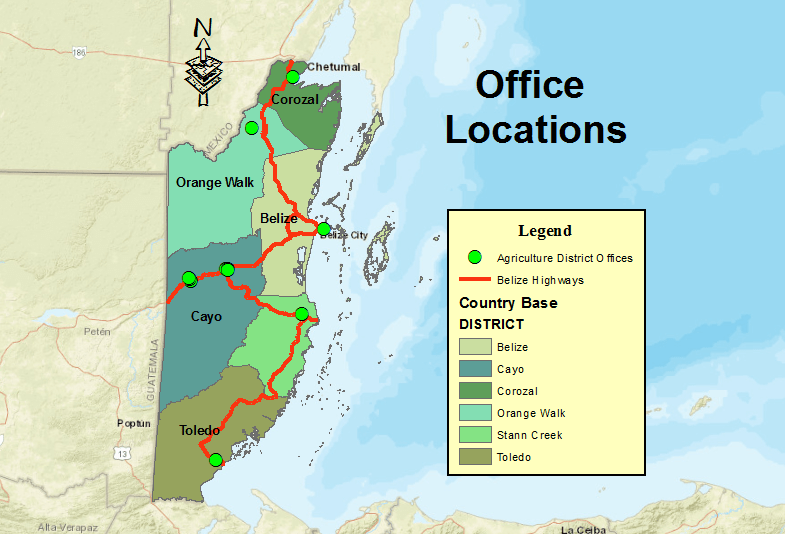
The Districts contacts are as follows:

Cayo District Agriculture Office: 804-2079

District Agriculture Coordinator:
Acting DAC Mr. Jonathan Can: jonathan.can@agriculture.gov.bz

Extension Officers:
Mr. Amir Pulido: extofficer.bmp@agriculture.gov.bz

Ms. Bernie Cob: bernadette.cob@agriculture.gov.bz

Mr. Jesse Madrid: jesse.madrid@agriculture.gov.bz

Melissa Balan: melissa.balan@agriculture.gov.bz

Belize District Agriculture Office #: 205-5087/205-5088

District Agriculture Coordinator:

Acting DAC Mr. Miguel Balan: email: noel.ramos@agriculture.gov.bz

Extension Officers:

Mr. Noel Ramos: Noel.Ramos@Agriculture.gov.bz

Mr. Vicente Tuyub: email: vicente.tuyub@agriculture.gov.bz

Mr. Abimael Puck: Email: abimael.puck@agriculture.gov.bz

Mr. Andy Che: Email: andy.che@agriculture.gov.bz

Corozal District Agriculture Office #: 402-2297

District Agriculture Coordinator:

Mr. Elsner Campos email: dac.cz@agriculture.gov.bz

Extension Officers:

Mr. Carlos Martinez: carlos.martinez@agriculture.gov.bz

Mr. Emilio Perez: emilio.perez@agriculture.gov.bz

Mr. Moises Perez: moises.perez@agriculture.gov.bz

Mr. Leonardo Eck: leonardo.eck@agriculture.gov.bz

Mr. Carlos Martinez: cm056144@gmail.com

Orange Walk District Agriculture Office #: 342-7119

District Agriculture Coordinator:

Acting DAC; Mr. Sergio Hernandez: Email: Sergio.hernandez@agriculture.gov.bz

Extension Officers

Mr. Miguel Huertas:miguel.huertas@agriculture.gov.bz

Mr. Carlos Tzul: Carlos.Tzul@agriculture.gov.bz

Mr. Federico Chi: Federico.Chi@agriculture.gov.bz

Orange Walk Station Manager

Mr. Francisco Xiu: Email: francisco.xiu@agriculture.gov.bz

Stann Creek District Agriculture Office #: 502-2514

District Agriculture Coordinator:

Fred Roches: dacstanncreek@agriculture.gov.bz

Extension Officers:

Heidy Cob: heidy.cob@agriculture.gov.bz

Densford Mangar: densford.mangar@agriculture.gov.bz

Marvin Blades: extofficer.sc1@agriculture.gov.bz

Toledo District Agriculture Office #: 702-2689

District Agriculture Coordinator:

Justaquio Tush: justaquio.tush@agriculture.gov.bz

Extension Officers:

Victor Kuk: victor.kuk@agriculture.gov.bz

Andrew Che: andrew.che@agriculture.gov.bz

Andre Logan: andre.logan@agriculture.gov.bz

Adrian Mendoza: extofficer.to1@agriculture.gov.bz


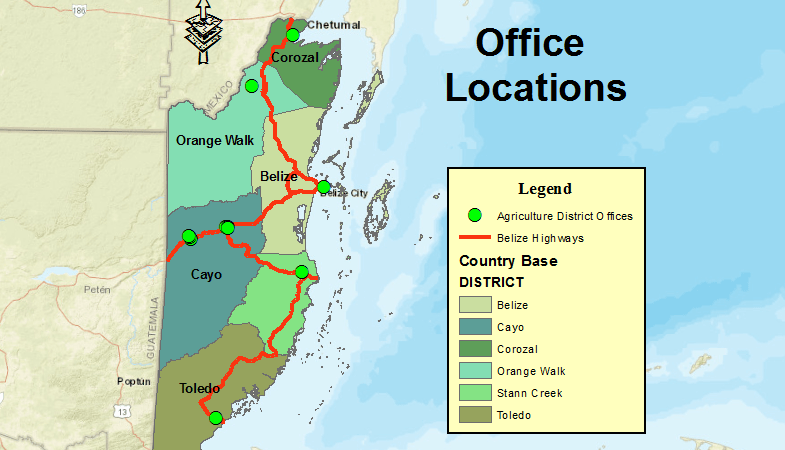
Location of District Agriculture Offices in Belize

Link Enlarge

Grains/Fruits

Grains/Fruits

Goal

To increase production, income generation and food security capacity among targeted small producers.

Background

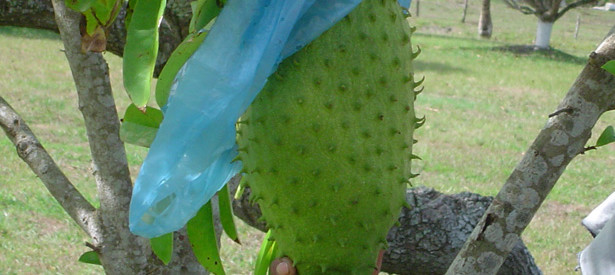
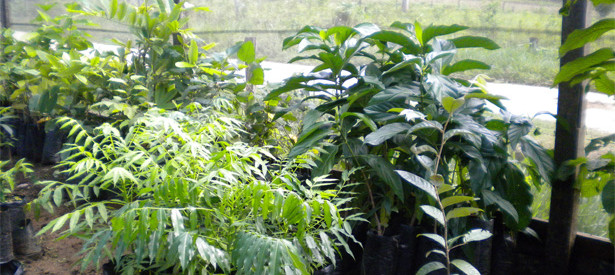
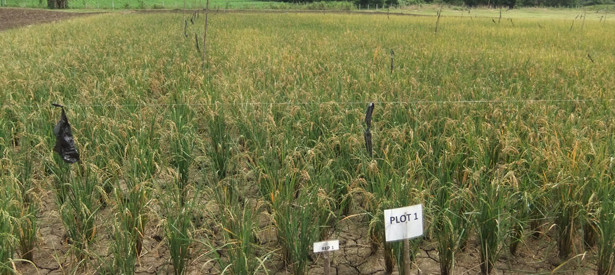
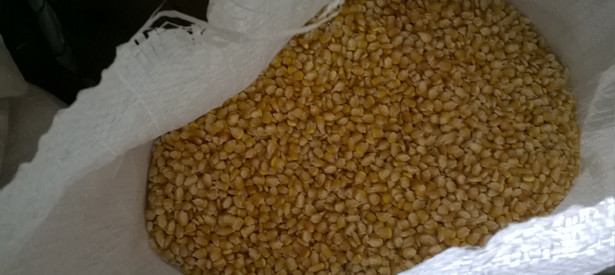
The Ministry of Agriculture crop program was design to strengthen and diversify the production of selected high value commodities in order to stimulate economic opportunities for farm families. The program serve as a germ plasm bank to supply stock seeds (rice, corn and beans), agro-forestry trees (Mahogany, Cedar Teak, Zericote and Mayflower), grafted and non-grafted fruit trees (pine apple, mango, avocado, coconut, cashew, plantains, soursop etc.) to small farmers.

The crop section is divided into three subsections, the fruit trees, the agro forestry and the grains section. The program itself has assisted farmers in relief from natural disaster and other related natural phenomenal. The surplus of each sub-sections is sold for income generation for the unit.

Activities

Some of the activities provided by the units are:

  1. Training in plant propagation, crop production and management of fruit trees to farmers.
  2. Provide technical support to farmers in assorted fruit trees and grains thru the Extension Service.
  3. Provide Production of planting material like corn beans rice, coconut and other fruits trees.
  4. Provide Capacity Building for Producers and Technical Personnel.
    Increase the availability of new varieties of coconuts for farmers.
  5. Provide a variety of propagated planting material like banana, plantain and pineapples.
  6. Provide field days to small farmers on production of corn, beans and rice for seed commercialization.

Future Activities

  1. Enhancement of quality, open pollinated seed supply (corn, beans and rice) for small producers.
  2. Continue the development of Coconut in Belize.

Contact Information

National Crop Coordinator

Ms. Teresita Balan – Email: terresita.balan@agriculture.gov.bz

Non Tradition Fruit Trees Coordinator

Mr. Barry Palacio- Email: palaciobarry@gmail.com

Extension Officer Crop

Mr. David Nabet–Email: davenab1@yahoo.com

Collaborators

  • CARDI
  • OIRSA IICA
  • PCB
  • Taiwan Technical Mission
  • CATIE
  • BAHA
Link Enlarge

Water Management and Climate Change Unit

Water Management and Climate Change Unit

  • Climate Change
  • Irrigation and Drainage Unit
  • Weather Forecast
  • Documents

Goal

To develop a climate resilient agriculture sector in Belize through the fulfillment of climate change adaptation and mitigation activities using sustainable practices and the promotion of climate smart agricultural technologies.

Background

One of the challenges of the Ministry of Agriculture is the change brought by global warming. Climate change in different agro-ecological zones means that farmers have to deal with a new range of uncertainties (i.e. rainfall and seasonal distribution, change of growing seasons, unavailability of water, droughts, floods, etc.) in addition to their everyday burden. Agriculture employs 20 % of the Belizean workforce, and contributes approximately 13% to the gross domestic product (GDP) and accounts for 75% of Belize’s exports. More than BZ$292 million is generated by three traditional commodities: sugar, citrus and bananas, whereas other export earners include red kidney beans, black-eyed peas, pepper sauces and cocoa beans. Domestic agriculture includes rice, corn, beans, plantains, root crops, vegetables, poultry, cattle and pigs. The aquaculture sub-sector primarily farmed shrimp is also a significant contributor to the Belizean economy.  Therefore, Belize relies heavily on its agricultural sector which is also very sensitive to climatic variations and could be one of the most affected as a result. Additionally, there is an increase pressure on the existing water, land and agricultural resources which will increase existing vulnerability and may create new ones. The ministry mandate of food security and poverty reduction must have a role, on its own and in association with others, to respond to climate change both through adaptation and mitigation thus this unit has a fundamental role in bridging the gap between relevant stakeholders to sustainably combat the effects of climate change by achieving climate resiliency through the short, medium and long term decisions.

Climate-smart agriculture (CSA)

Agriculture in Belize is susceptible to weather variability and vulnerable to climate hazards, such as hurricanes, floods, and droughts. Climate-smart agriculture (CSA) is agriculture that has been transformed and reoriented to support development and ensure food security in the face of climate change. CSA practices have potential to deliver triple wins in contributing to Belize’s agricultural development goals by sustainably increasing productivity, enhancing resilience, and reducing or removing greenhouse gases (GHGs). Many farmers in Belize are already using CSA measures to some degree. However, more widespread adoption of many CSA technologies has been hindered by a lack of information and technical knowledge, as well as the scarcity of resources to pay for initial investment costs. The country profile provides a snapshot of a set of promising CSA practices, assesses their climate smartness taking into account a range of potential hazards, identifies organizations currently working to promote CSA in Belize and policies under implementation, and discusses possible sources of financing needed to implement CSA at scale.

To find more about this information kindly visit the Document section.

Purpose

The Irrigation and Drainage Unit (IDU) was established in order to promote drainage and irrigation technology among producers for improved crop water management, cope with the effects of climate change and to increase overall crop productivity.

Objectives

  1. To provide field technical assistance and support in irrigation.
  2. To gather, compile and analyze data and information pertaining to irrigation and drainage systems.
  3. To provide technical trainings; collaborate with Research to identify suitable irrigation regimes for specific crops.
  4. To carry out evaluation of irrigation systems and mobilize resources for irrigation and drainage promotion.

Stakeholder Cooperation and Support

Over the past years, the Unit has received capacity building assistance from the Food and Agricultural Organization (FAO) and European Union. This has been in the form of field irrigation equipment and trainings for the technicians. FAO also provided technical assistance to the Ministry for the development of a draft Policy and Strategy for drainage and irrigation. Technical support was received to carry out an economic analysis and costing for the possible implementation of the policy and strategy. Presently, the Caribbean Development Bank is building on this work by further providing technical assistance to develop an investment plan and projects in drainage and irrigation for possible financing. Through IICA, the Central American Initiative for the adaptation to Climate Change is also providing guidance for the strengthening of national plans in irrigation.

Technical Capacity (Human capital Competency)

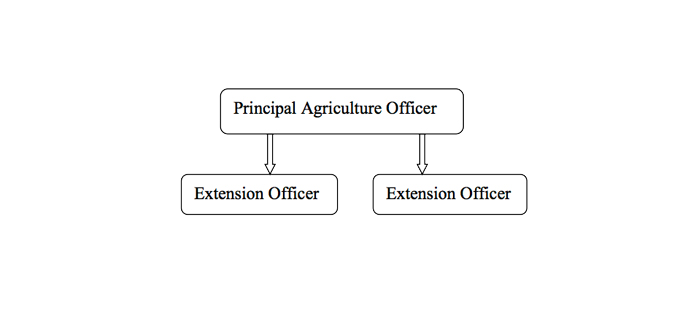
At present the Unit has two Extension-Irrigation field technicians – one based in Orange Walk responsible for Corozal, Orange Walk and Belize Districts and the other officer is based at Central Farm with responsibility for the remainder of the country. These officers specifically focus in providing technical support in irrigation design and installation; installation and management of fertigation systems; irrigation for covered structures; irrigation trainings; data collection and project formulation in irrigation for small producers. The IDU also networks with agencies affiliated with water in particular with the recently formed National Integrated Water Resources Authority. Since the post of Irrigation Office is presently vacant, the Unit is monitored and supervised through the office of the Principal Agriculture Officer. Officers can be contacted through the Extension Offices of Cayo and Orange Walk or through the main office in Belmopan.

Organogram

OIRSA Geoportal for Regional Weather Forecast
National Weather Forecast (Precipitation Outlook)
Temperature and Precipitation Forecast 2020

Seasonal Weather Forecast & Its Effects to Agriculture

LXIV Climate Outlook for Central America and Dominican Republic May-June 2021

Forecasted Weather Effects March to May 2021

Forecasted Weather Effects Apr to Jun 2020

Temperature and Precipitation Forecast for April, May and June 2020

Forecasted Weather Effects Jan to Mar 2020

Temperature and Precipitation Forecast 2020

Forecasted Weather Effects Jun Jul & Aug 2019

Climate-Smart Agriculture in Belize World Bank Document

Climate-Smart-Agriculture-in-Belize

REVISED-PUBLIC-Belize-CSA-Country-Profile-FINAL.pdf

Climate-Smart Agriculture in Belize

131878-REVISED-PUBLIC-Belize-CSA-Country-Profile-FINAL

Forecasted Weather Effects August to October 2018

https://drive.google.com/file/d/1N3d6JboMDdE1ndbxceyq0eYRkF_EmBbo/view?usp=sharing

Climate Smart Agriculture Opportunities in Belize Presentation

https://docs.google.com/presentation/d/1qs7RFLlKyNiF_r2prfaO_YTz14S0Shgm2FDfNyg4sj4/edit?usp=sharing

Climate Smart Agriculture Investment Presentation https://drive.google.com/file/d/12whUIJd9j5w1KZxI8x4HZWcpqbLJ0r2I/view?usp=sharing

Presentations of day 1 of the Expert meeting of the Community of practices on agricultural insurance and risk management from the 4th-8th of June 2018.

https://drive.google.com/drive/folders/1zqXFM7u0Uk92d9T9snZJ1VEnDYFk0fxh

Expert Meeting of the Community of practices on agricultural insurance and risk management day 2 from the 4th-8th of June 2018.

https://drive.google.com/drive/folders/1HildIkJb9Ui-Wh-bgfQOWzsA8OKPuMx2

+ Climate Change

Goal

To develop a climate resilient agriculture sector in Belize through the fulfillment of climate change adaptation and mitigation activities using sustainable practices and the promotion of climate smart agricultural technologies.

Background

One of the challenges of the Ministry of Agriculture is the change brought by global warming. Climate change in different agro-ecological zones means that farmers have to deal with a new range of uncertainties (i.e. rainfall and seasonal distribution, change of growing seasons, unavailability of water, droughts, floods, etc.) in addition to their everyday burden. Agriculture employs 20 % of the Belizean workforce, and contributes approximately 13% to the gross domestic product (GDP) and accounts for 75% of Belize’s exports. More than BZ$292 million is generated by three traditional commodities: sugar, citrus and bananas, whereas other export earners include red kidney beans, black-eyed peas, pepper sauces and cocoa beans. Domestic agriculture includes rice, corn, beans, plantains, root crops, vegetables, poultry, cattle and pigs. The aquaculture sub-sector primarily farmed shrimp is also a significant contributor to the Belizean economy.  Therefore, Belize relies heavily on its agricultural sector which is also very sensitive to climatic variations and could be one of the most affected as a result. Additionally, there is an increase pressure on the existing water, land and agricultural resources which will increase existing vulnerability and may create new ones. The ministry mandate of food security and poverty reduction must have a role, on its own and in association with others, to respond to climate change both through adaptation and mitigation thus this unit has a fundamental role in bridging the gap between relevant stakeholders to sustainably combat the effects of climate change by achieving climate resiliency through the short, medium and long term decisions.

Climate-smart agriculture (CSA)

Agriculture in Belize is susceptible to weather variability and vulnerable to climate hazards, such as hurricanes, floods, and droughts. Climate-smart agriculture (CSA) is agriculture that has been transformed and reoriented to support development and ensure food security in the face of climate change. CSA practices have potential to deliver triple wins in contributing to Belize’s agricultural development goals by sustainably increasing productivity, enhancing resilience, and reducing or removing greenhouse gases (GHGs). Many farmers in Belize are already using CSA measures to some degree. However, more widespread adoption of many CSA technologies has been hindered by a lack of information and technical knowledge, as well as the scarcity of resources to pay for initial investment costs. The country profile provides a snapshot of a set of promising CSA practices, assesses their climate smartness taking into account a range of potential hazards, identifies organizations currently working to promote CSA in Belize and policies under implementation, and discusses possible sources of financing needed to implement CSA at scale.

To find more about this information kindly visit the Document section.

+ Irrigation and Drainage Unit

Purpose

The Irrigation and Drainage Unit (IDU) was established in order to promote drainage and irrigation technology among producers for improved crop water management, cope with the effects of climate change and to increase overall crop productivity.

Objectives

  1. To provide field technical assistance and support in irrigation.
  2. To gather, compile and analyze data and information pertaining to irrigation and drainage systems.
  3. To provide technical trainings; collaborate with Research to identify suitable irrigation regimes for specific crops.
  4. To carry out evaluation of irrigation systems and mobilize resources for irrigation and drainage promotion.

Stakeholder Cooperation and Support

Over the past years, the Unit has received capacity building assistance from the Food and Agricultural Organization (FAO) and European Union. This has been in the form of field irrigation equipment and trainings for the technicians. FAO also provided technical assistance to the Ministry for the development of a draft Policy and Strategy for drainage and irrigation. Technical support was received to carry out an economic analysis and costing for the possible implementation of the policy and strategy. Presently, the Caribbean Development Bank is building on this work by further providing technical assistance to develop an investment plan and projects in drainage and irrigation for possible financing. Through IICA, the Central American Initiative for the adaptation to Climate Change is also providing guidance for the strengthening of national plans in irrigation.

Technical Capacity (Human capital Competency)

At present the Unit has two Extension-Irrigation field technicians – one based in Orange Walk responsible for Corozal, Orange Walk and Belize Districts and the other officer is based at Central Farm with responsibility for the remainder of the country. These officers specifically focus in providing technical support in irrigation design and installation; installation and management of fertigation systems; irrigation for covered structures; irrigation trainings; data collection and project formulation in irrigation for small producers. The IDU also networks with agencies affiliated with water in particular with the recently formed National Integrated Water Resources Authority. Since the post of Irrigation Office is presently vacant, the Unit is monitored and supervised through the office of the Principal Agriculture Officer. Officers can be contacted through the Extension Offices of Cayo and Orange Walk or through the main office in Belmopan.

Organogram

+ Weather Forecast
OIRSA Geoportal for Regional Weather Forecast
National Weather Forecast (Precipitation Outlook)
Temperature and Precipitation Forecast 2020
+ Documents

Seasonal Weather Forecast & Its Effects to Agriculture

LXIV Climate Outlook for Central America and Dominican Republic May-June 2021

Forecasted Weather Effects March to May 2021

Forecasted Weather Effects Apr to Jun 2020

Temperature and Precipitation Forecast for April, May and June 2020

Forecasted Weather Effects Jan to Mar 2020

Temperature and Precipitation Forecast 2020

Forecasted Weather Effects Jun Jul & Aug 2019

Climate-Smart Agriculture in Belize World Bank Document

Climate-Smart-Agriculture-in-Belize

REVISED-PUBLIC-Belize-CSA-Country-Profile-FINAL.pdf

Climate-Smart Agriculture in Belize

131878-REVISED-PUBLIC-Belize-CSA-Country-Profile-FINAL

Forecasted Weather Effects August to October 2018

https://drive.google.com/file/d/1N3d6JboMDdE1ndbxceyq0eYRkF_EmBbo/view?usp=sharing

Climate Smart Agriculture Opportunities in Belize Presentation

https://docs.google.com/presentation/d/1qs7RFLlKyNiF_r2prfaO_YTz14S0Shgm2FDfNyg4sj4/edit?usp=sharing

Climate Smart Agriculture Investment Presentation https://drive.google.com/file/d/12whUIJd9j5w1KZxI8x4HZWcpqbLJ0r2I/view?usp=sharing

Presentations of day 1 of the Expert meeting of the Community of practices on agricultural insurance and risk management from the 4th-8th of June 2018.

https://drive.google.com/drive/folders/1zqXFM7u0Uk92d9T9snZJ1VEnDYFk0fxh

Expert Meeting of the Community of practices on agricultural insurance and risk management day 2 from the 4th-8th of June 2018.

https://drive.google.com/drive/folders/1HildIkJb9Ui-Wh-bgfQOWzsA8OKPuMx2

Link Enlarge

Monitoring and Evaluation Unit

Project Execution Unit

The Unit was formed in 2012 with the onset of the Ministry moving from line budgeting to Programme Budgeting.  Then latter focused on results-based planning that requires reporting on outputs achieved with the resources invested, the outcome and impact that these will have on the livelihoods of people. The Unit has focused on providing support to projectize and monitor work plans. To facilitate this process, programme directors and coordinators actively participated in a Project Cycle Management training, conducted in May 2015 by Ten Step Method trainer Menno Valkenburg of the Nederland’s. The training exposed participants to the theory and practices in project cycle management. Equipped with this knowledge and the support of the M&E Unit, coordinators and programme directors have been developing projects for sponsorship.  Basic project and monitoring formats have also been developed and shared with officers in order to facilitate the M&E process within the Ministry.

The project Execution Unit is responsible for supervising, monitoring and designing projects in the Ministry, in addition implementing internationally funded projects. Provide the Ministry of Agriculture, Food Security & Enterprise Technical Support for the Procurement of goods and Services and other Agricultural Program.

Goal

To contribute to improved governance by monitoring, evaluating and reporting on the performance of agricultural projects, programmes and policies of the Ministry of Agriculture.

Activities

Major activities include:

  1. Collect and provide information that will be used to determine efficiency, effectiveness, and impact of activities, work plans, projects and programs; and identify gaps and weakness in service provision
  2. Track progress on implementation of the National Agriculture and Food Policy (NAFP) 2015-2030
  3. Conduct training seminars in the new and updated monitoring and evaluation tools.
  4. Conduct schedule and un-scheduled checks on projects and activities (both locally and foreign funded) countrywide.
  5. Provide quarterly synopsis including PSIP reports on the performance and progress of agricultural projects.
  6. Provide technical support in project formulation.
  7. Actively participate in strategic planning meetings.

Future Activities

Continue strengthening the monitoring, evaluation and reporting system for programmes and projects of the Ministry.

Contact Information

Director of Projects

Mr. Jose Novelo

Email: director.peu@agriculture.gov.bz

Monitoring Officer

Mr. Jose Tillette

Email: jose.tillett@agriculture.gov.bz

Procurement Officer

Mr. Freddy Chable

Email: suppliesofficer.cf@agriculture.gov.bz

Collaborators

  • Ministry of Agriculture Project Execution Unit
  • Ministry of Economic Development
  • Ministry of Finance and Partners in Development
Link Enlarge

Policy and Public/Private Sector Interface Unit

Policy and Private Public Sector Interface

Goal

The goal of the Unit with the support of line ministries and private sector is to increase market development, access and penetration of Belize’s agricultural commodities. In addition the Unit performs an essential role in enhancing accountability, transparency and coordination within the Ministry.

Background

The unit is considered the “The think tank of the Ministry.” It is responsible for steering the direction of the Ministry’s National Agricultural Food Policy (NAFP) 2015-2030 and ensuring that programs and activities implemented by the Ministry fulfill the policy objectives.

Activities

The following are the main activities lead by the Unit:

  1. Policy:
    a. Supports the Monitoring and Evaluation Unit in monitoring the progress of the NAFP 2015-2030
    b. Recommends amendments to policy based on Stakeholder consultation and dialogue
  2. Agricultural Trade
    a. Contributes Agriculture positions in trade discussions both at the international and regional level. Represents Agriculture at CARICOM (COTED) and in Central American relations such as (PSA Belize Guatemala, Mexico and El Salvador).
    b. Holds Public/ Private sector dialogues and creates Working Groups to ensure the needs of farmers and producers are addressed.
  3. Statistics
    a. The Unit is responsible for the monitoring, compilation and dissemination of Agricultural Data of major agricultural commodities.
    b. This year the Ministry is embarking on the implementation of an IDB supported project which is aimed at strengthening the Agricultural data collection system of the Ministry. The output of the project will include the development of a farmer and farm registry, a National Agricultural Statistical System (NASS) and Agricultural Market Information System (AMIS) that uses FAO data standards. It is expected that with the development of the database system users will have access to timely, reliable figures for the purpose of agricultural forecasting and planning.
    c. Write reports, present on challenges and forecasted developments in Agriculture to private and public sectors.

Services

The following are data that can be obtained from the Unit:

  1. Agriculture trade ( export and imports, quantity and value
  2. Trimester and yearly Production Data ( acres and yields)
  3. Quarantine statistics ( agriculture crops, imports/exports, quantity and value)
  4. Agriculture Input prices ( fertilizers and chemicals)
  5. Agriculture market prices ( retail and wholesale for grains, legumes, vegetables and meat)
  6. Marine production ( conch, whole fish, lobsters and fillet fish)
  7. Stock data ( grains and legumes and sugar, wheat flour)
  8. Agriculture production cycle
  9. Major production locations ( commodity, district, village)
  10. Contact information of major producers and farmers
BAIMS Logo

Contact Information

Mr. Alfonso Bautista, Statistician
alfonso.bautista@agriculture.gov.bz
Phone #: 822-2241
National Agriculture and Trade Show Grounds Headquarters

Mr. Gregorio Canto, Statistical Analyst
statsofficer1@agriculture.gov.bz
Phone #: 822-2241
National Agriculture and Trade Show Grounds Headquarters

Link Enlarge

Agroprocessing

Agro-processing

Goal

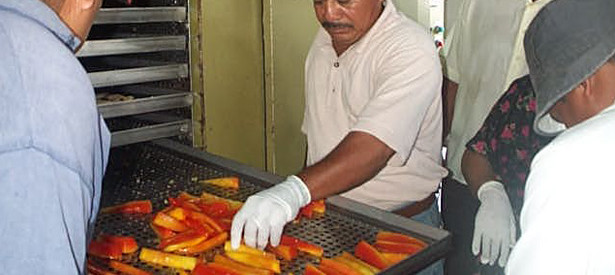
The main objective of the Agro-processing Multi-service Facility in Central Farm is to provide training and technical assistance for the creation and expansion of small and medium sized agro-processing enterprises. The Agro- processing Unit focuses on product research and development for the transformation of local produce into value added agricultural products as well as the transfer of technology for agri- business development to improve income generation and food security.

Background

The Agro-processing Unit started as a Pilot Project in 1999 with the collaboration of the Republic of China (ROC), Taiwan Technical Mission in Belize. The main objective was to enhance food processing technology and the application of food science concepts in Belize. By 2002, the ROC, Taiwan Technical Mission had already introduced equipment to be used for product research and training in food processing techniques, but the space to set up all the equipment was limited.

As a result of this, an extension to the agro- processing building was constructed. In the last seven years, the agro-processing program has successfully achieved a stronger application of basic agro-processing concepts and introduced some of the newest technology for e.g, vacuum fried technology and air-dried technology in Belize.

Activities

Some of the main activities performed by the Unit are:

  1. To coordinate training such as food safety, standards, labelling and packaging of products and quality control with the respective agency for training.
  2. Increase the variety of agro-based processed products on the local markets, improve quality of local agro-based processed products.
  3. Increase the number of small and medium enterprises involved in the processing of agricultural commodities.

Services

The following are a few of the main services provided by the Unit:

  1. The production of enriched, flavoured, banana porridge, to be distributed to targeted schools for their School Feeding Program.
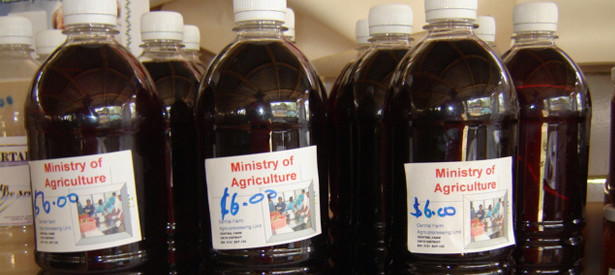
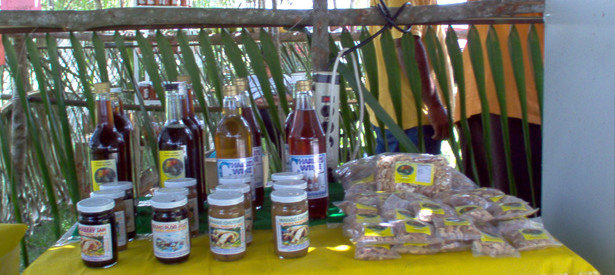
    The use of technologies to preserve and add value to specific local agricultural commodities that have a production surplus” e.g jams, jellies, peanut butter, tomato salsas, pepper sauces and beans.
  2. The processing of raw traditional commodities such as cassava and banana into flour for the production of baked products (breads, pastries).
  3. The processing and packaging of cheese, milk and yogurt.
  4. The production soy bean bi-products such as soy milk, soy sauce using new technologies.
  5. The packaging of bi-products e.g honey; training of university students, women’s groups and farmers on the agro-processing techniques of the commodities mentioned above.

Contact Information

Agro-processing Coordinator

Earvin Gentle – Email: agroprocessing@agriculture.gov.bz

Ms. Anna Howe – Email: ahowe@agriculture.gov.bz

Collaborators

  • Ministry of Education
  • Belize Marketing and Development Cooperation
Link Enlarge

Central Farm Agricultural Station

Central Farm Agricultural Station

Goal

To increase human resource by efficiently increasing rural prosperity, while improving the livelihood of producers, food security and generating technologies through applied and adaptive research in agriculture.

Background

The Central Farm Research and Innovation Center started as an Ex-servicemen Rehabilitation Scheme on the 20th of October, 1948, it was later then changed to an Experimental Station. Over the years the station have develop to what it is now a centralized station compromised of five main sections: Administration, Livestock, Crops, Research and Development, Agro-processing and Agriculture Engineering.

Activities

  1. Some of the activities performed by the station are:
  2. Provide Water Supply for the station for irrigation and livestock during the rainy and summer season.
  3. Maintenance of building and office furniture’s.
  4. Housing Rentals.
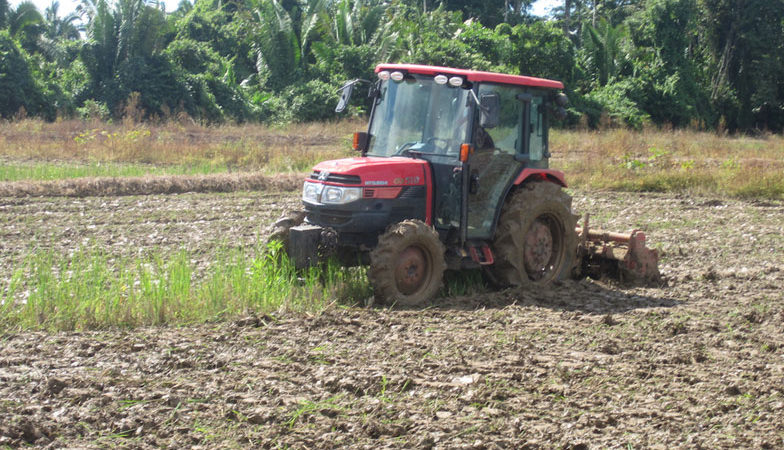
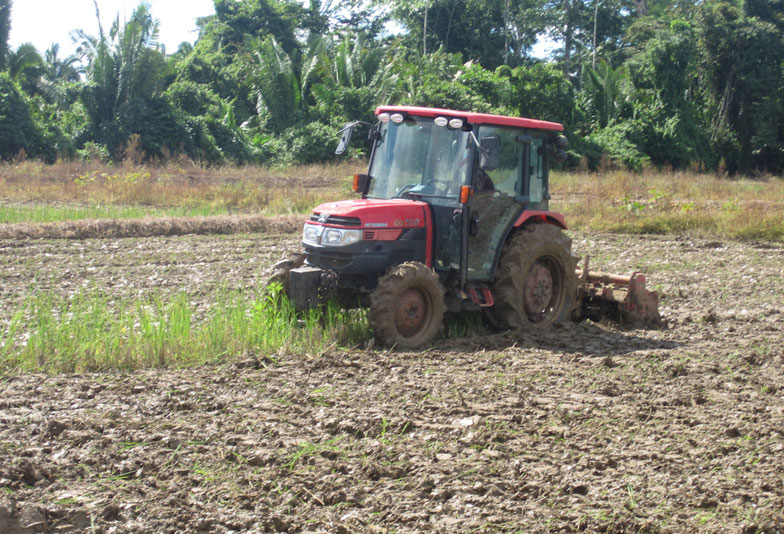
  5. Provide tractor service for the general public and famers.
  6. Provide vehicle maintenance for the Ministry and its departments.

  7. Landscaping and land maintenance.
Contact Information

Shamir Carillo (Station Manager)
Telephone: (501)-804-2079
Fax: (501)-804-3074
Email: smanager.cf@agriculture.gov.bz

  • 1
  • 2

Contact Info

Address: H.M. Queen Elizabeth II Blvd., Belmopan City, Belize C.A
Phone: (501) 822-2241 / 42
Fax: (501) 822-2409
Email: info@agriculture.gov.bz

Highlights & Events

  • IICA Donates Agricultural Equipment to Ministry of Agriculture to Support Small Farmers Nationwide
  • Minister Jose Abelardo Mai Concludes Two Day Citrus and Coconut Industry Tour in Southern Belize

View All

Video

View All

Useful Links

✓National Meteorological Service
✓CZMAI
✓Pesticide Control Board
✓BAHA
✓IICA
✓OIRSA
✓CARDI
✓FAO
✓CATIE

Copyright ©2021 Ministry of Agriculture | Web Development by: IdeaLab Studios Digital Marketing **

Top