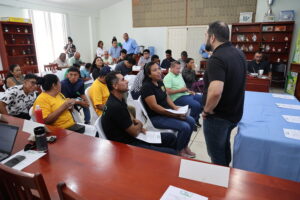
CEO Baeza and CAO Pascual Attend TICAD 9 Conference
CEO in the Ministry of Agriculture, Food Security and Enterprise, Servulo Baeza and Chief Agriculture Officer, Dr. Victoriano Pascual, are attending the Ninth Tokyo International Conference for African Development, TICAD 9, in Yokohama, Japan.
The Government of Japan has been leading this conference since 1993, co-hosted by United Nations, United Nations Development Programme (UNDP), World Bank and African Union Commission (AUC). TICAD is an international conference where diverse stakeholders participate in and share their insights on African and global development. The Ninth Tokyo International Conference on African Development is being held from 20th – 22nd August, 2025.
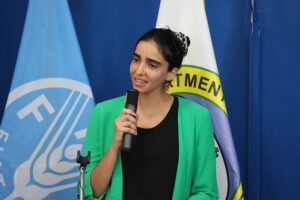
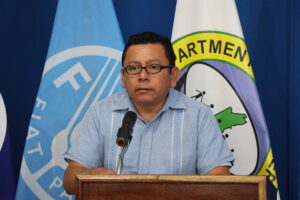
Belize participated in the thematic event “A Brighter Future for Small Scale Farmers – the Journey and Impact of the SHEP Approach in Africa and Beyond.” The objectives of the panel discussion were:
1. sharing the status of the SHEP Approach, collaborating with development partners and private companies to achieve a joint declaration;
2. sharing experiences of SHEP implementation in Africa and the Caribbean;
3. sharing findings from World Bank studies utilizing their evaluation method “SWIFT” on monitoring development impact of the SHEP approach.
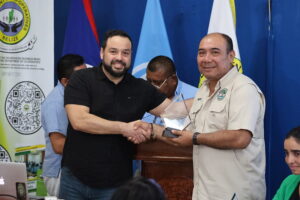
JICA, the Japan International Cooperation Agency, is supporting MAFSE with SHEP training for farmers.
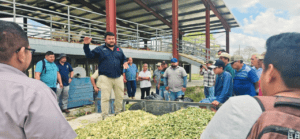
SHEP stands for Smallholder Horticulture Empowerment and Promotion, a market-oriented training program by the Ministry of Agriculture, Food Security and Enterprise (MAFSE) and JICA that trains farmers to view farming as a business, not just a “grow and sell” activity. Through market research, cost analysis, and profit calculation, farmers learn to grow crops that meet specific market demands, improving their overall income and sustainability. The Ministry of Agriculture aims to empower farmers by equipping them with the knowledge and tools to make informed decisions based on market demand. This includes training in crop selection, marketing strategies, and data-driven farming practices, all designed to improve productivity, increase income, and ensure sustainable livelihoods.